


Mali Terrorist Attacks
- 5 days ago
- 3 min read
The Sahel region continues to face a serious security challenge as terrorist attacks in Mali escalate in 2023. These attacks not only threaten Mali’s stability but also have broader implications for the entire Sahel region, which includes countries like Burkina Faso, Niger, and Chad. Understanding the recent developments in Mali’s security situation is crucial for grasping the complex dynamics shaping the Sahel’s future.
Recent Trends in Terrorist Attacks in Mali
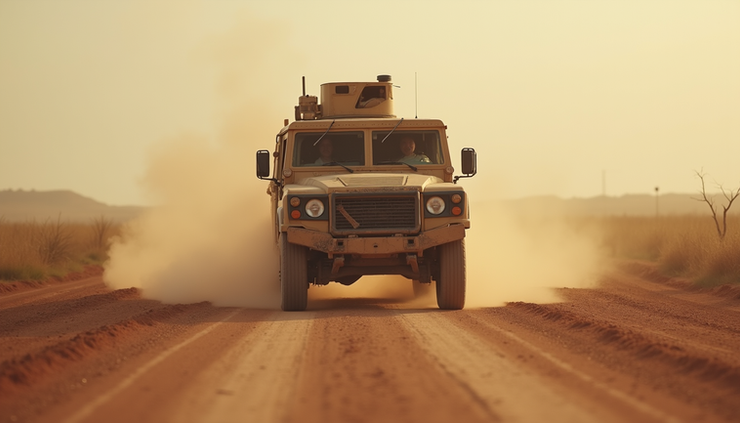
Since early 2023, Mali has witnessed a surge in violent attacks carried out by various armed groups, including jihadist factions linked to Al-Qaeda and the Islamic State. These groups have intensified their operations, targeting military convoys, local villages, and UN peacekeeping forces.
Increased frequency: Attacks have become more frequent, with some weeks seeing multiple incidents across different regions.
Target diversity: Militants are not only attacking military targets but also civilians, humanitarian workers, and infrastructure.
Geographic spread: Violence has expanded beyond northern Mali into central and southern areas, complicating security efforts.
For example, in March 2023, a coordinated assault on a military base in the Mopti region resulted in dozens of casualties and significant equipment losses. This attack demonstrated the militants’ growing capability to strike well-defended positions.
Impact on Mali’s Security Forces and Governance
The rise in terrorist attacks has put enormous pressure on Mali’s security forces. Despite efforts to strengthen the army and police, several challenges remain:
Limited resources: Mali’s military struggles with shortages of equipment, training, and logistics.
Morale issues: Repeated attacks and casualties have affected troop morale.
Political instability: Coups and political upheaval have weakened governance and disrupted coordinated security responses.
These factors have allowed terrorist groups to exploit gaps in security and governance, making it harder to restore order.
Regional Implications for the Sahel
Mali’s security crisis is not isolated. The Sahel region faces interconnected threats that cross national borders. Terrorist groups operate fluidly across Mali, Burkina Faso, Niger, and other neighboring countries.
Cross-border attacks: Militants use porous borders to launch attacks and then retreat to safe zones.
Displacement and humanitarian crises: Violence has displaced millions, creating humanitarian emergencies that strain regional resources.
Weak regional cooperation: While there are joint military efforts like the G5 Sahel force, coordination challenges limit their effectiveness.
For instance, Burkina Faso has seen a sharp rise in attacks linked to Mali-based groups, highlighting the regional spread of insecurity.
International Involvement and Responses
The international community remains engaged in addressing the Sahel’s security challenges, but progress is uneven.
UN peacekeeping: The MINUSMA mission in Mali continues to support stabilization but faces frequent attacks and operational risks.
French military presence: France has reduced its troop numbers but maintains a counterterrorism role through Operation Barkhane’s successor initiatives.
European and African partnerships: Various countries provide training, funding, and intelligence support to Sahelian forces.
Despite these efforts, terrorist groups adapt quickly, requiring new strategies that combine military, political, and development approaches.
Challenges to Long-Term Stability
Several obstacles hinder lasting peace and security in Mali and the Sahel:
Root causes: Poverty, unemployment, ethnic tensions, and weak governance fuel recruitment into armed groups.
Fragmented militant landscape: Multiple groups with shifting alliances complicate peace efforts.
Limited state presence: Large areas remain outside government control, allowing militants to operate freely.
Addressing these issues requires more than military action. It calls for inclusive governance, economic development, and community engagement.
What Can Be Done to Improve Security?
Improving security in Mali and the Sahel involves coordinated efforts at multiple levels:
Strengthen local governance: Empowering local authorities to provide services and justice reduces militant influence.
Enhance regional cooperation: Sharing intelligence and conducting joint operations can disrupt cross-border militant networks.
Support economic opportunities: Creating jobs and improving education can reduce the appeal of extremist groups.
Engage communities: Building trust between security forces and local populations helps gather information and prevent radicalization.
For example, community policing initiatives in some Sahelian towns have improved security by involving residents in local defense.
The Role of Technology and Intelligence
Modern technology plays a growing role in counterterrorism efforts:
Surveillance drones: Used to monitor remote areas and track militant movements.
Data analysis: Helps identify patterns and predict attacks.
Communication tools: Facilitate coordination among security forces and partners.
However, technology must be paired with human intelligence and cultural understanding to be effective.
Looking Ahead: What to Expect in 2024
The security situation in Mali and the Sahel will likely remain fragile in the near term. Terrorist groups will continue to test government and international responses. Success depends on:
Sustained political will: Governments must commit to reforms and anti-corruption measures.
International support: Continued funding and expertise are essential.
Local ownership: Solutions must come from within communities, not imposed externally.
The coming year will be critical for determining whether the Sahel can move toward stability or face deeper conflict.


Comments