

Top News Highlights from Africa and Around the World for the Week of April 10 2026
- Apr 14
- 4 min read
The week starting April 10, 2026, brought significant developments across Africa and the globe. From political shifts and economic updates to environmental concerns and social progress, these stories reveal the dynamic changes shaping our world. This post highlights key events that matter, offering clear insights into what is happening and why it matters.
Major Political Developments in Africa
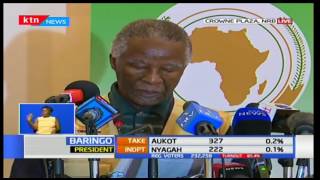
Several African countries experienced important political events this week. Notably, Kenya held its general elections, with voter turnout reaching 78%, one of the highest in recent years. The elections were peaceful, and the incumbent president secured a second term with 54% of the vote. This outcome is expected to bring continuity in economic reforms and infrastructure projects.
In West Africa, Nigeria faced renewed challenges with security. The government launched a new initiative to combat insurgency in the northeast region, deploying an additional 5,000 troops and increasing intelligence operations. This move aims to reduce attacks by militant groups that have displaced thousands over the past decade.
Meanwhile, South Africa’s parliament passed a landmark bill to improve land reform policies. The legislation focuses on accelerating land redistribution while protecting property rights, a balance that experts say could ease longstanding tensions and promote economic inclusion.
Economic Trends and Business News
Africa’s economic landscape showed mixed signals this week. The African Continental Free Trade Area (AfCFTA) reported a 12% increase in intra-African trade for the first quarter of 2026 compared to the same period last year. This growth reflects expanding regional cooperation and reduced trade barriers.
However, inflation remains a concern in several countries. For example, Egypt’s inflation rate rose to 14.3% in March, driven by rising food and fuel prices. The central bank responded by raising interest rates by 0.5 percentage points to curb inflationary pressures.
On the investment front, a major renewable energy project launched in Morocco aims to add 500 megawatts of solar power capacity by 2028. This project is part of Morocco’s plan to generate 52% of its electricity from renewable sources by 2030, reducing reliance on fossil fuels and cutting carbon emissions.
Environmental and Climate Updates
Climate change continues to impact Africa in visible ways. This week, severe flooding affected parts of Mozambique and Malawi, displacing over 30,000 people. Emergency response teams are working to provide shelter and clean water, while governments call for international support to address the humanitarian crisis.
In a positive development, Kenya announced the planting of 10 million trees as part of its national reforestation campaign. This effort aims to restore degraded lands, improve biodiversity, and combat desertification, which threatens agricultural productivity in arid regions.
Globally, the United Nations released a report warning of rising sea levels that could affect millions living in coastal areas worldwide. The report urges countries to accelerate climate adaptation measures, including improved infrastructure and early warning systems.
Social Progress and Cultural Highlights
Social movements and cultural events also made headlines. In Nigeria, a new law was passed to strengthen protections against gender-based violence, including harsher penalties for offenders and expanded support services for survivors. Activists hailed the law as a critical step toward gender equality.
In the arts, the Cairo International Film Festival opened with a focus on African cinema, showcasing films that explore contemporary social issues and celebrate cultural diversity. The festival attracted filmmakers and audiences from across the continent and beyond, highlighting Africa’s growing influence in global arts.
World News Briefs
Beyond Africa, several global stories stood out this week:
The United States and China agreed on a new trade framework aimed at reducing tariffs and promoting technology exchange. This agreement could ease tensions and boost global economic growth.
The European Union announced a plan to phase out single-use plastics by 2030, targeting a significant reduction in ocean pollution. This policy includes incentives for businesses to adopt sustainable packaging.
A breakthrough in medical research emerged with a new vaccine for malaria, showing 85% effectiveness in early trials. This development offers hope for millions in malaria-endemic regions, particularly in sub-Saharan Africa.
Tensions escalated in the Middle East as diplomatic talks between Israel and Palestine stalled. International mediators called for renewed dialogue to prevent further conflict.
What These Stories Mean Going Forward
The events of this week highlight the complex challenges and opportunities facing Africa and the world. Political stability in Kenya and South Africa could foster economic growth and social progress. At the same time, security concerns in Nigeria remind us of the ongoing need for peacebuilding efforts.
Economic trends show promise through increased regional trade and renewable energy investments, but inflation and environmental crises require careful management. Social advances, such as stronger protections against violence and cultural celebrations, reflect a continent moving toward greater inclusion and expression.
Globally, cooperation on trade, environmental policies, and health innovations signals a shared interest in building a more sustainable and connected future. Yet, unresolved conflicts and climate risks underscore the urgency of continued engagement and action.
Readers interested in these developments can follow local news sources and international reports for updates. Staying informed helps communities and individuals understand how global and regional changes affect daily life and future prospects.


Comments